

Reprocessed Turbo-Elite Catheters: A Guide for Cath Labs
18 minutes read time
Laser atherectomy is one of the specialized treatment options in peripheral artery disease (PAD) care, and its catheters are single-use devices that add to a lab's supply costs. A reprocessed Turbo-Elite laser atherectomy catheter gives cath labs, office-based labs (OBLs) and ambulatory surgery centers (ASCs) an FDA-regulated way to keep that technology in their procedure mix while managing supply costs.
This guide explains how the Turbo-Elite catheter works, when physicians reach for laser atherectomy, what "reprocessed" means in practice, and how NEScientific (NES) reprocesses the device from return to release. If your team is comparing reprocessed and new devices, it covers the questions administrators and physicians ask most.
What Is a Turbo-Elite Laser Atherectomy Catheter?
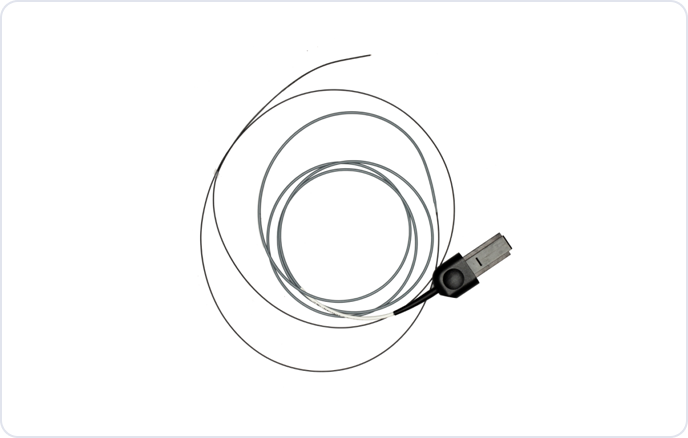
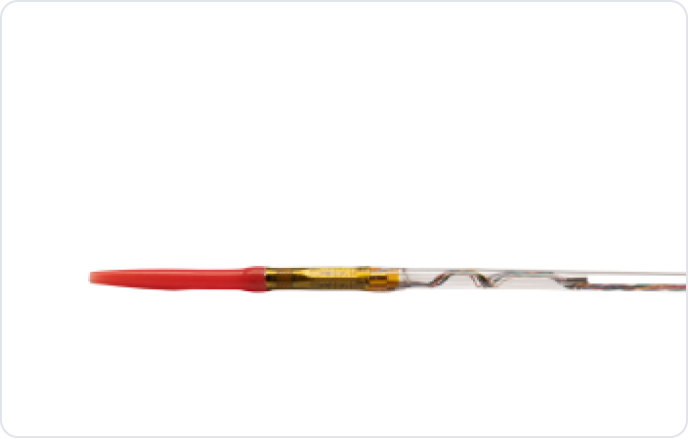
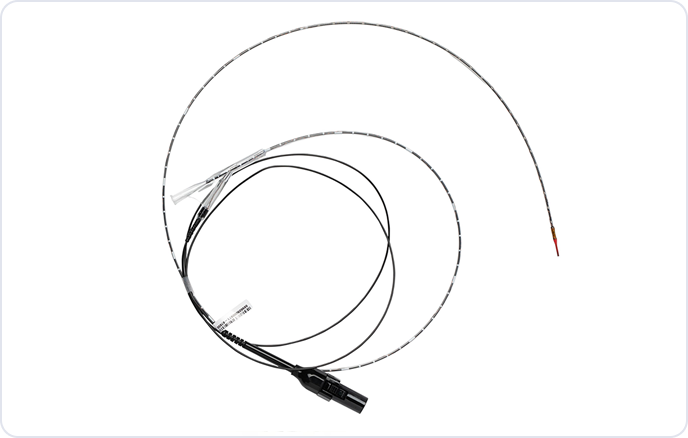
The Turbo-Elite is a laser atherectomy catheter that uses ultraviolet light to treat plaque inside the arteries of the leg. Rather than pushing plaque aside, the laser vaporizes it. NES describes the original device as built to power through challenging restenoses and occlusions.
Philips Spectranetics makes the original device. It is built to treat multiple lesion types in PAD, including difficult restenoses and occlusions.
The original catheter is labeled for single use. Reprocessing is the FDA-regulated process that allows certain single-use devices like this one to be used again after cleaning, testing and sterilization.
When Physicians Use Laser Atherectomy for PAD
PAD develops when plaque narrows the arteries that carry blood to the legs. Angioplasty presses that plaque against the vessel wall, while atherectomy removes it. Laser atherectomy is one of several atherectomy options, alongside devices that shave or grind plaque. Our guide to angioplasty vs. atherectomy for PAD covers the basics.
In some cases, laser is used for blockages inside an older stent, and atherectomy may be used to prepare the vessel before a drug-coated balloon. Which treatment is right for a patient is always a decision for the treating physician.
For cath lab leaders, device choice is a clinical decision, and supply cost is a separate business question. This guide covers the second one.
What "Reprocessed" Means for a Turbo-Elite Catheter
Reprocessing is the FDA-regulated process of cleaning, testing, sterilizing and re-certifying certain single-use devices so they can be used again. The FDA regulates third-party reprocessors in the same manner as original manufacturers, including quality system, labeling and premarket review requirements. Reprocessed devices must be labeled as reprocessed.
NES is not affiliated with the original equipment manufacturers of the devices it reprocesses. For more answers, see our reprocessing FAQs and our post debunking 10 common myths about medical device reprocessing.
How NES Reprocesses the Turbo-Elite Catheter
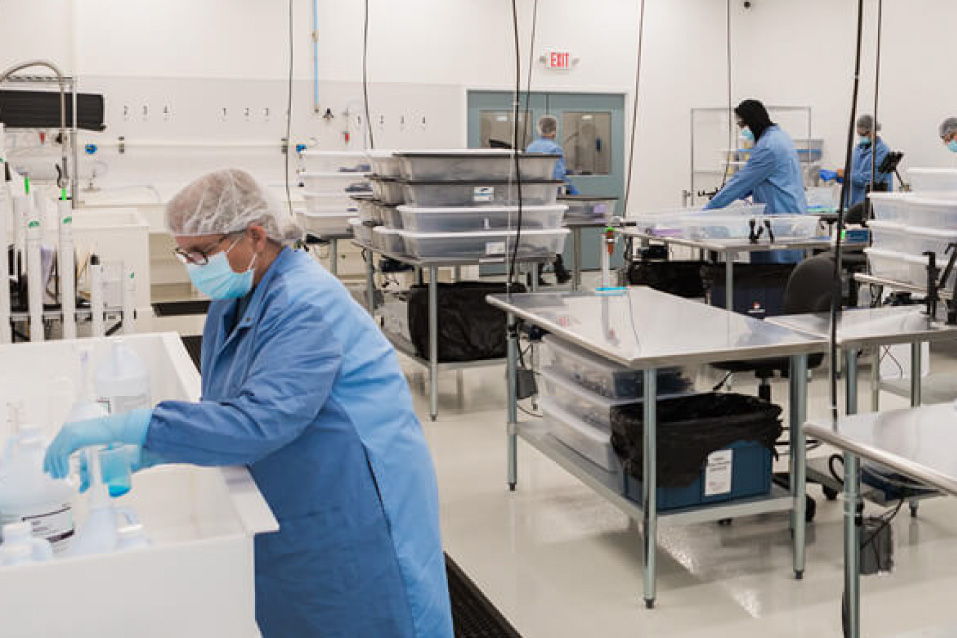
Every returned device follows the same documented path, which you can also see on our Life of a Catheter page.
- 1Return. After the procedure, staff package the device using NES handling instructions and schedule a FedEx pickup with a pre-paid label.
- 2Initial inspection. On arrival, NES checks for damage that would prevent reprocessing. Only acceptable devices move forward.
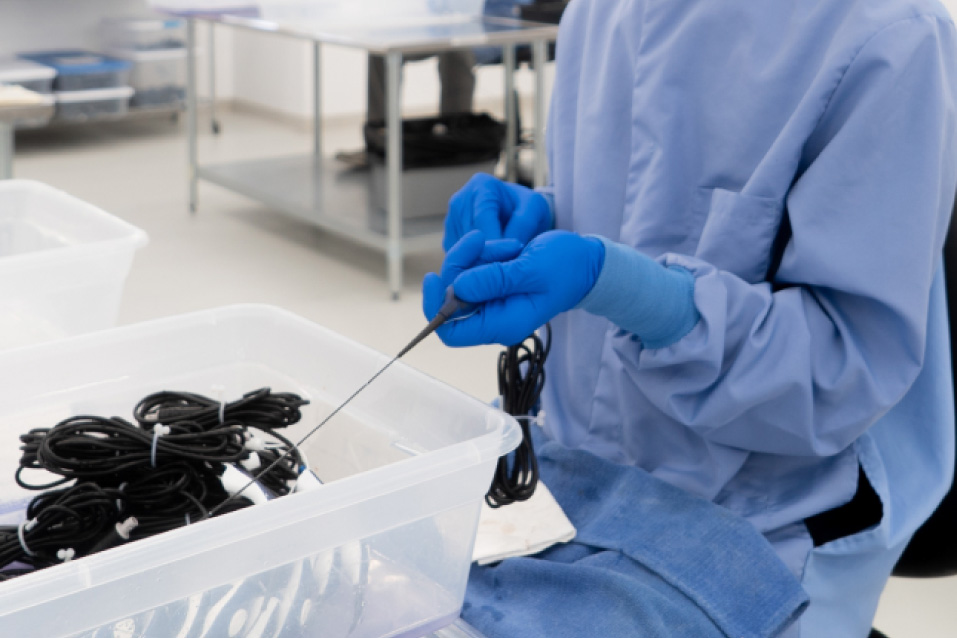
- 3Cleaning. Each device goes through decontamination and cleaning matched to its type, with inspections at multiple stages.
- 4High-level disinfection. A multi-stage process prepares the device for clinical reuse, and a detailed history record tracks every step.
- 5Functional testing. Each device is individually inspected and tested, then pouched and labeled.
- 6Sterilization. Devices receive 100% ETO terminal sterilization, followed by post-sterilization testing and a final inspection.
- 7Quality release. The NES quality team verifies that the device meets internal specifications before it goes into inventory.
The Turbo-Elite can be reprocessed for one cycle. Turnaround is set with each partner's Clinical Sales Specialist, so inventory can be matched to your case volume.
Cost and Sustainability Benefits for Cath Labs, OBLs and ASCs
Supply cost is a real concern for vascular practices. Christopher Pittman, MD, of Vein911 has said the catheter is the most expensive consumable his practice uses. NES offers reprocessed devices, including the Turbo-Elite, as a way to reduce that spend.
"We've saved over $400,000" with about 2,000 NES reprocessed devices since 2020.
Reprocessing also keeps usable devices out of the waste stream. Read more in Green Cath Labs: How Device Reprocessing Cuts Carbon and our overview of medical waste in U.S. healthcare.
To estimate your own numbers, use the NES Savings Calculator. Practices can also look at the Smart Reimbursement Program, which reimburses practices for eligible used devices, including the Turbo-Elite, instead of letting them be discarded.
Reprocessed Turbo-Elite Catheter FAQs
Is reprocessing the Turbo-Elite catheter FDA-regulated?
Yes. The FDA regulates reprocessing of single-use devices, and NES received clearance to reprocess the Philips Spectranetics 0.9mm OTW Turbo-Elite laser atherectomy catheter in July 2022.
How many times can a Turbo-Elite catheter be reprocessed?
NES reprocesses the Turbo-Elite for one cycle.
What happens to a device that fails inspection?
Devices that do not pass inspection are pulled from the process and are not released.
What if a reprocessed device fails during use?
NES offers a guarantee on its devices. If you receive a defective reprocessed catheter, complete the Defective Device Form on the Device Returns page.
Can we send back catheters that did not come from NES?
Yes. NES accepts used single-use devices whether you bought them from NES or from the original manufacturer. Your Clinical Sales Specialist can confirm eligibility.
How do we return a used Turbo-Elite?
Follow the Turbo-Elite handling instructions, package the device, and schedule a FedEx pickup with the pre-paid label NES provides.
This article is for general educational purposes and does not replace advice from a qualified healthcare provider. Findings on reprocessed devices may vary by device type, reprocessing method and regulatory clearance status.
Sources
Next Steps for Your Lab
If laser atherectomy is part of your PAD program, a reprocessed Turbo-Elite may help lower your supply costs. Already using Turbo-Elite catheters? Call (203) 756-2111 to reach your Clinical Sales Specialist.