


Catheter Reprocessing Guide for ASCs, OBLs & Practices
32 minutes read time
- What catheter reprocessing actually is
- Which catheters can be reprocessed, and why not all of them
- What FDA regulation and clearance really mean
- Inside the reprocessing cycle, step by step
- How maximum reprocessing cycles get validated
- IVUS and active treatment catheters vs. simpler devices
- Cost, waste, and supply chain impact
- How to start or expand a program
If you work in a cath lab, a supply chain office, or a quality department, you have probably heard some version of catheter reprocessing described in five different ways by five different people. Some of it is accurate. Some of it is outdated. This guide is meant to be the one place you can send a colleague, a new physician, or a finance committee to get the full picture in one sitting: what reprocessing is, how it is regulated, what actually happens to a catheter between collection and reuse, and how a facility decides whether it makes sense for their program.
What catheter reprocessing actually is
Catheter reprocessing is the FDA-regulated practice of taking certain devices originally labeled "single-use" and putting them through a validated cycle of cleaning, functional testing, sterilization, and final quality release so they can be safely used again. It is not the same thing as the sterile processing that happens inside a facility between reusable surgical instruments, and that distinction trips people up more than any other part of this topic.
Reusable instruments like forceps or retractors are designed from the ground up to be cleaned and used hundreds of times, and facility sterile processing departments (SPDs) handle that turnaround in-house as a matter of routine. Single-use device reprocessing is different in a specific and important way: the device was never designed or labeled by its original manufacturer to be reused, so before any facility can legally reprocess and reuse it, a company has to demonstrate to the FDA that the reprocessed device remains safe and effective for its intended use.
That is the part that separates reprocessing from ordinary cleaning. It is a regulated manufacturing process, not a housekeeping one.[1]
Which catheters can be reprocessed, and why not all of them
Not every catheter on the market is eligible for reprocessing. Whether a device can be reprocessed comes down to whether a company has obtained the appropriate regulatory authorization and validation to support reprocessing that specific device, which for most currently reprocessed catheters is FDA clearance, and whether the device's materials and construction can physically withstand cleaning and re-sterilization without losing function.
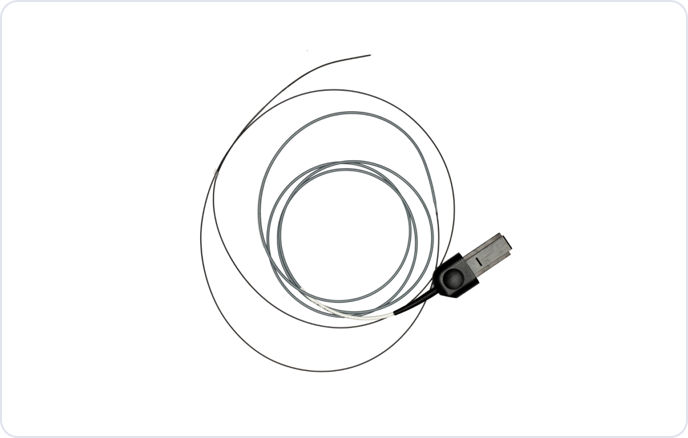
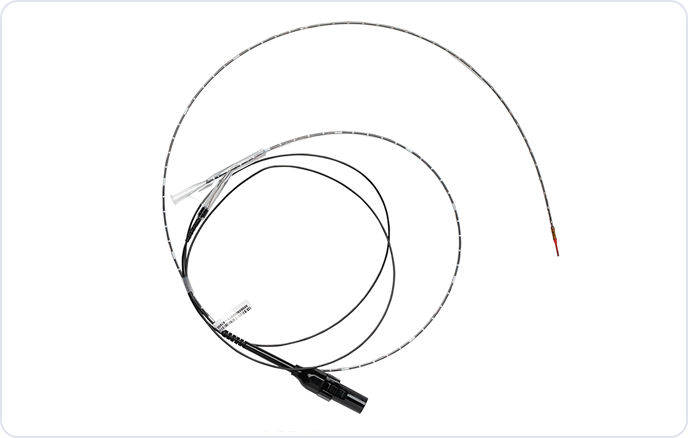
Diagnostic catheters, IVUS imaging catheters, EP catheters, and certain atherectomy and cardiovascular devices with materials and geometry that hold up to validated cleaning and sterilization, and for which a reprocessor has obtained the appropriate device-specific regulatory authorization.
Devices with materials that cannot be reliably cleaned or re-sterilized, devices with no validated cleaning protocol, and any device for which no reprocessor currently holds the necessary regulatory authorization, regardless of whether it seems similar to an eligible device.
That last point matters more than it might seem. A device is not eligible for reprocessing just because a similar device is. Every device type requires its own validation and regulatory authorization, which is exactly why the eligible-device list expands slowly and deliberately rather than all at once.
What FDA regulation and device-specific clearance really mean
The FDA has regulated single-use device reprocessing since 2000, and the rule that governs it is simple to state but demanding to meet: a company that reprocesses single-use devices is legally treated the same way as the company that manufactured the device in the first place.[1] That means the same quality management system requirements, the same facility inspection standards, and, for most devices, the same premarket submission requirements that apply to any original equipment manufacturer.[2]
The specific submission most people have heard of is the 510(k). A 510(k) is a premarket notification that demonstrates a device is substantially equivalent to a device that is already legally on the market, meaning it is at least as safe and effective for its intended use.[3] This is worth spelling out clearly because it gets misunderstood constantly: a 510(k) clearance applies to a specific device, from a specific reprocessor, cleared for a specific number of reprocessing cycles. It is not a blanket endorsement that covers everything a company touches. A reprocessor can be fully FDA-registered and still not have clearance for a particular catheter, and that catheter would not be legal to reprocess and sell until that clearance is in hand.
Reprocessors also have to register their facility with the FDA, maintain a device listing for the products they reprocess, and operate under the FDA's Quality Management System Regulation, which covers everything from how validation studies are documented to how complaints and adverse events get reported.[2] A device listing and a device's clearance are not the same thing. Facilities get inspected. Records get audited. This is the part of the industry that does not show up in a sales conversation but is the entire reason reprocessed devices can be trusted in the first place.
Where NEScientific Fits Into This Framework
Separate from FDA requirements, NEScientific also participates in the Medical Device Single Audit Program (MDSAP) and maintains ISO 13485:2016 certification through that program.[9] In practice, that means the quality system behind every device covers a documented design history for each product, validated contamination control, a formal complaint and adverse-event reporting process, defined training requirements for quality personnel, and ongoing validation of the software used to run the quality system itself.[9] FDA's Quality Management System Regulation has incorporated ISO 13485:2016 by reference, but ISO certification and FDA regulatory requirements remain distinct, and meeting one does not substitute for the other.
Inside the reprocessing cycle, step by step
The exact protocol varies by device type and by reprocessor, since each one is built around a validated, device-specific process. But the general shape of a compliant reprocessing cycle looks like this.
Used, eligible devices are collected from the facility after the original procedure, tracked from the moment they leave the point of use, and shipped to the reprocessor under controlled conditions.
Devices are visually and physically inspected on arrival. Anything showing damage, excessive wear, or signs it will not meet functional standards is pulled out of the process before cleaning even begins.
Devices go through a validated cleaning protocol designed specifically for that device's materials and geometry, removing bioburden and residue in a way that has been tested and documented to work.
The device is tested against validated performance requirements and acceptance criteria established for the reprocessed device. For an imaging catheter, that might mean confirming image quality and transducer function. Anything that does not meet the established criteria is rejected and does not move forward.
Devices are sterilized using a validated method appropriate to the device's materials, since many catheters are heat-sensitive and cannot go through a standard steam autoclave.
Each device is marked and logged so its reprocessing history, including how many cycles it has been through, is fully traceable. It is then repackaged and labeled according to FDA labeling requirements for reprocessed devices.
Only after clearing every prior step is a device released back into inventory. A device that does not meet requirements at any step is held back from release rather than passed through; depending on the finding, established procedures may allow for rework or additional processing before a final disposition is made.
The consistent theme across every step is that a device has to clear a defined set of checkpoints before it moves forward, and nothing skips ahead on an exception basis. Reprocessing is not a pass-through cleaning service. It is a series of checkpoints, and a device only reaches a patient after it has cleared all of them.
How maximum reprocessing cycles get validated
One question that comes up constantly: how many times can a single catheter actually be reprocessed? The honest answer is that it depends entirely on the specific device and what the reprocessor's FDA clearance allows, and there is no universal number that applies across all catheter types.
Some diagnostic catheters have been cleared for multiple reprocessing cycles. As one example, a diagnostic 3D ultrasound catheter cleared through the FDA's 510(k) process was validated for a maximum of three reprocessing cycles, with each device individually marked and tracked through every cycle so it gets rejected from further reprocessing once it hits that limit.[4] By contrast, NEScientific currently reprocesses its IVUS and atherectomy catheters for a single cycle.[7] That is not a statement about the category as a whole. Cycle limits are set device by device and reprocessor by reprocessor, so a single-cycle limit at one company does not necessarily reflect what another reprocessor's clearance allows for a similar device, and clearances can change over time as new validation data is submitted.
Cycle limits are not arbitrary numbers. They are established through the validation work and regulatory process behind each device's authorization, and the specifics of how a given limit was set can vary by device and by regulatory history. The practical takeaway for a facility is simple: always confirm the specific cycle limit and clearance status for the exact device and reprocessor you are working with, rather than assuming it carries over from one device family, or one company, to another.
IVUS and active treatment catheters vs. simpler devices
Not all catheters present the same reprocessing challenge, and understanding why helps explain some of the more conservative cycle limits mentioned above.
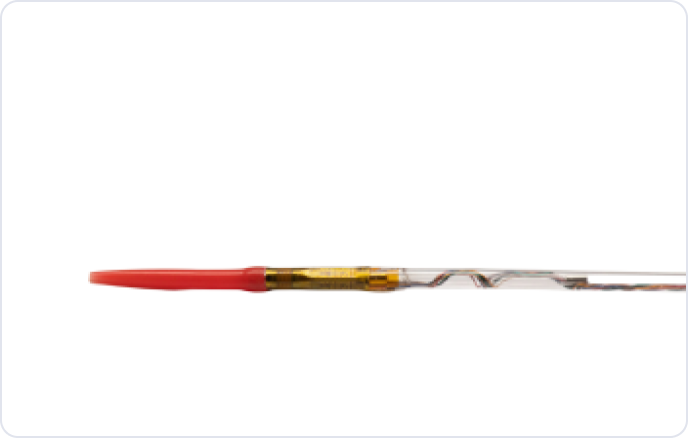
A basic diagnostic catheter is largely a mechanical and structural challenge. It needs to be clean, sterile, and structurally sound. An IVUS catheter is a different animal entirely. It contains a miniaturized ultrasound transducer that has to produce diagnostic-quality images after reprocessing, not just pass a visual inspection. That means functional testing for an IVUS catheter has to verify image quality and transducer performance specifically, not just confirm the device is clean and intact.[5]
Active treatment devices, like atherectomy catheters that physically remove plaque from an artery, carry their own complexity. These devices have moving mechanical components, cutting or abrading elements, and tighter tolerances than a passive diagnostic catheter. Validating that those components still meet their established performance requirements after cleaning and sterilization is a more involved process than validating a catheter that is purely diagnostic.
This is a large part of why reprocessors that work in cardiovascular devices, rather than general surgical instruments, tend to build specialized testing infrastructure specifically for imaging and active treatment devices. Cardiovascular devices are also reported to represent one of the largest categories in the overall reprocessed device market.[8] The savings potential is significant partly because these devices are expensive on a per-unit basis and used in high volume, so getting reprocessing right for this category can have an outsized impact on a facility's budget.
Cost, waste, and supply chain impact
The financial case for catheter reprocessing is usually what gets a conversation started, and it holds up under scrutiny. Reprocessed devices typically cost meaningfully less than new ones, and for high-volume categories like IVUS and atherectomy, physicians and facilities that incorporate reprocessed devices alongside new purchases have reported substantial savings over a year.
These figures reflect specific, published examples and are not guaranteed outcomes. Actual savings depend on a facility's procedure volume, device mix, and collection rate, and will vary by reprocessor and device type.
The waste reduction side of the equation matters too, and it is not just a marketing angle. Every catheter that goes through a validated reprocessing cycle instead of a landfill is one less device that has to be manufactured from scratch, which reduces the raw material and energy footprint tied to producing a brand-new device. For facilities that have made sustainability commitments part of their public reporting, reprocessing is one of the more concrete, measurable ways to make progress against those goals.
From a supply chain standpoint, reprocessing also adds a layer of resilience. A facility that sources part of its catheter volume through a reprocessing partner is less exposed to single-source manufacturer shortages or pricing swings, since it has an additional, FDA-cleared supply channel to lean on.
How a facility begins or expands a program
Getting started with catheter reprocessing does not require building anything from scratch. For the overwhelming majority of ASCs, OBLs, and physician practices, the practical path is partnering with an established, FDA-cleared third-party reprocessor rather than trying to stand up an in-house program, largely because of the capital, staffing, and per-device clearance requirements involved in doing it yourself.
A few steps that tend to make the process smoother
- Confirm device-specific clearances. Ask any potential partner to show you their current FDA 510(k) clearances for the exact devices you use, not just their general registration status.
- Check quality certifications. Look for ISO 13485 certification and ask how the partner documents traceability from collection through final release.
- Start with your highest-volume, highest-cost devices. Cardiovascular catheters, especially IVUS and diagnostic devices used in cath lab procedures, tend to deliver the fastest and most visible return.
- Build a collection routine. Savings only materialize if eligible devices actually get collected and returned. Bin placement and staff education around what is eligible make a bigger difference than most facilities expect.
- Assign internal ownership. Even with a strong outsourcing partner, someone on your team should own vendor performance, collection rates, and periodic quality review.
Where to go next
This guide covers the fundamentals, but a few of our other resources go deeper on specific pieces of this picture: how a single catheter actually moves through its full lifecycle, what makes a reprocessed IVUS catheter reliable, and the most common myths still floating around this industry.
Catheter reprocessing is not a shortcut and it is not a compromise. It is a regulated process, built around validated checkpoints designed to catch anything that does not measure up. For facilities weighing whether it belongs in their supply chain, the FDA regulatory framework provides a mechanism for evaluating the safety and effectiveness of specific reprocessed devices. The practical question for most facilities is which devices make sense for your volume, your budget, and your sustainability goals, and which qualified, appropriately authorized partner can get you there.
Ready to see where reprocessing fits in your program?
Request a free catheter-program assessment to see where your facility could save.
Sources
- U.S. Food and Drug Administration, "Labeling Recommendations for Single-Use Devices Reprocessed by Third Parties and Hospitals," Final Guidance for Industry and FDA
- U.S. Food and Drug Administration, "Frequently Asked Questions About Reprocessing of Single-Use Devices"
- U.S. Food and Drug Administration, "Premarket Notification 510(k)"
- U.S. Food and Drug Administration, 510(k) Summary, Reprocessed 3D Diagnostic Ultrasound Catheter, K161700
- NEScientific, "What Makes a Reprocessed IVUS Catheter Truly Reliable?"
- U.S. Food and Drug Administration, "Premarket Notification 510(k)," section on 510(k) exemptions and reprocessed single-use devices
- NEScientific, "Trusted Solutions for Doctors: Reprocessed Medical Devices"
- Future Market Insights, "Reprocessed Medical Devices Market"
- NEScientific, "Resources & Handling Instructions," Medical Device Single Audit Program (MDSAP) section