




Peripheral Artery Disease: The Leg Pain You Should Never Ignore
11 minutes read time
Millions of people live with narrowed leg arteries and do not know it. Here is a quick look at what peripheral artery disease is, why it matters beyond the legs, and how treatment has evolved.
This article is for general information only. It is not medical advice and should not be used to diagnose or treat any condition. Talk to a qualified healthcare provider about your own symptoms, risks, and care.
If you have ever chalked up leg cramps to “just getting older,” you are not alone. That is one of the most common reasons peripheral artery disease, or PAD, goes unnoticed for years. It is also one of the more consequential conditions to miss, because PAD is not only a leg issue. Research links it to narrowing in arteries throughout the body, including the ones feeding the heart and brain.
The numbers show how widely it is underdiagnosed. The CDC estimates about 6.5 million Americans age 40 and older have PAD, while the American Heart Association and the 2024 multisociety guideline cite 10 to 12 million. Broader estimates that include cases without obvious symptoms run as high as 19 to 21 million.
What’s Happening in the Artery
PAD develops when fatty plaque builds up inside the walls of the arteries carrying blood from the heart to the legs, a process called atherosclerosis. Over time, plaque narrows the artery the way mineral buildup narrows a pipe, and the legs and feet run short on oxygen, especially during activity.
Warning Signs, in Plain Terms
The hallmark symptom is claudication: cramping, aching, or heaviness in the calf, thigh, hip, or buttock that shows up reliably after walking a certain distance and fades within about ten minutes of rest. Notably, the CDC reports that up to 4 in 10 people with PAD have no leg pain at all. Other signs researchers point to include:
- Sores on the feet or toes that are slow to heal
- Coldness or numbness in one leg or foot
- Weak or hard-to-find pulses in the feet
- Skin that looks pale, bluish, or unusually shiny
- Leg hair loss and brittle, slow-growing toenails
- Muscle weakness in the affected leg
PAD pain tends to live in the muscle rather than the joint, and follows a distinctive pattern: it appears after a set amount of walking and eases with rest. That is different from arthritis, which is usually worst when first moving, or sciatica, a radiating nerve pain not tied to a specific walking distance.
A Whole-Body Signal
The same plaque narrowing leg arteries is often building up near the heart and brain too. Research finds up to 70% of people with PAD also have coronary artery disease, and a widely cited 1992 study in the New England Journal of Medicine found people with PAD faced roughly three times the risk of death from any cause compared with people without it. That is why researchers describe PAD as a signal worth taking seriously well beyond the legs.
Smoking is described as the strongest modifiable risk factor. Diabetes, high blood pressure, high cholesterol, chronic kidney disease, family history, and age all play a role. Studies also show African Americans experience notably higher rates and worse outcomes.
Exercise as First-Line Therapy
Supervised exercise therapy is a well-studied approach: short walking intervals, paced with rest, gradually building distance over weeks. A review of 25 clinical trials found supervised walking programs improved peak walking distance by an average of 180 meters compared with no exercise. Medicare has covered 12 weeks of supervised exercise therapy for PAD since 2017.
Modern Catheter-Based Procedures
When narrowing is severe, doctors have several minimally invasive, catheter-based options that avoid open surgery:
- Angioplasty uses a balloon-tipped catheter to flatten plaque and reopen the artery.
- Stenting places a small mesh tube to help hold the artery open.
- Atherectomy uses a catheter to remove plaque by cutting, sanding, or vaporizing it. Current guidelines list it as an available tool without established superiority over balloon angioplasty.
Compared with open bypass surgery, these catheter-based approaches are associated with markedly shorter recovery. Industry data cited in the research shows many patients report feeling better within about a week of a stent procedure, versus four to six weeks after open surgery.
Intravascular Ultrasound (IVUS)
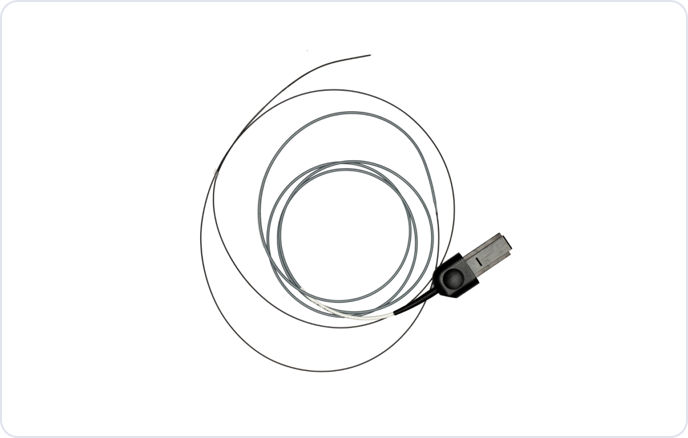
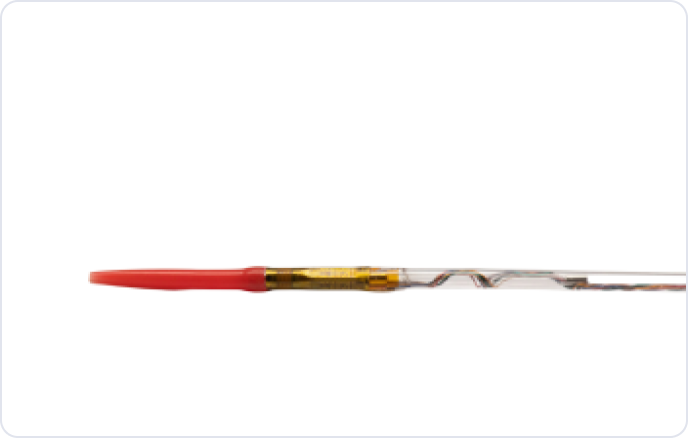
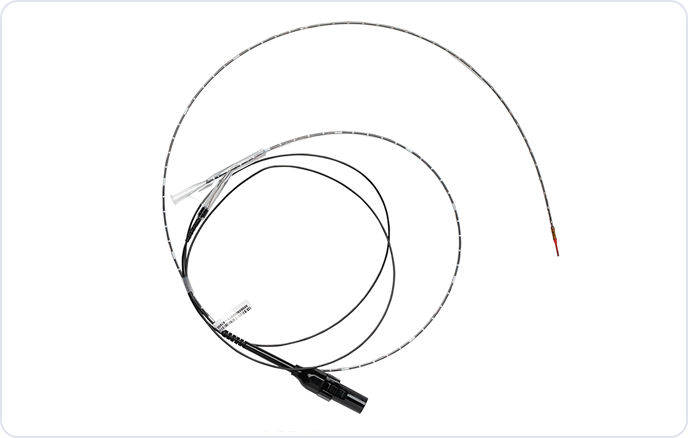
IVUS is a catheter-mounted ultrasound probe that gives a cross-sectional view from inside the artery, revealing detail standard imaging can miss. A large analysis of nearly 700,000 Medicare procedures from 2016 to 2019 found IVUS use was associated with a 32% reduction in major adverse limb events, yet only about 12% of the studied procedures used it.
Surgery vs. Endovascular Treatment
The BEST-CLI trial, published in 2022 and involving more than 1,800 patients, compared bypass surgery with endovascular treatment for severe blockages. Among patients with a good vein available for grafting, surgery was associated with fewer major limb events or deaths over several years than the endovascular approach; without a suitable vein, the two performed similarly. A related quality-of-life analysis found both approaches produced large, lasting improvements, with no meaningful difference between groups. Researchers note there is no single best answer. The right approach depends on a patient’s individual anatomy and health.
The Bigger Picture
PAD is common, frequently silent, and, according to current research, highly manageable when identified early. The tools available today, from image-guided catheter procedures to refined medications, are far more precise than what existed even a decade ago. Every one of those catheter-based procedures depends on devices performing exactly as intended, which is part of why rigorous reprocessing and quality standards matter behind the scenes.
Sources
Centers for Disease Control and Prevention, American Heart Association, 2024 ACC/AHA Multisociety PAD Guideline, Mayo Clinic, Cleveland Clinic, Johns Hopkins Medicine, New England Journal of Medicine, and Circulation. This article summarizes third-party research for general education. It is not medical advice and is not a substitute for consultation with a licensed healthcare professional.