


Angioplasty vs. Atherectomy for PAD: How Do They Work?
11 minutes read time
First, a quick word on what PAD actually is
Peripheral artery disease happens when the arteries that carry blood to your legs start to narrow. Over time, a sticky buildup of cholesterol, fat, and calcium (plaque) collects along the inside of the artery walls, the same way buildup can collect inside an old pipe. As that plaque grows, less blood gets through, and your leg muscles start running short on the oxygen they need.
That's usually what shows up first as cramping or aching in your calf, thigh, or hip when you walk, pain that tends to fade once you sit down and rest. Doctors call this claudication. If it's left untreated for long enough, it can progress into something more serious, including wounds that won't heal or, in severe cases, tissue that starts to die from lack of blood flow.
The good news is that PAD is very treatable, and for a lot of people, treatment doesn't mean surgery in the traditional sense. It means a small, minimally invasive procedure done through a tiny puncture in the skin. That's where angioplasty and atherectomy come in.
Angioplasty: opening the artery back up
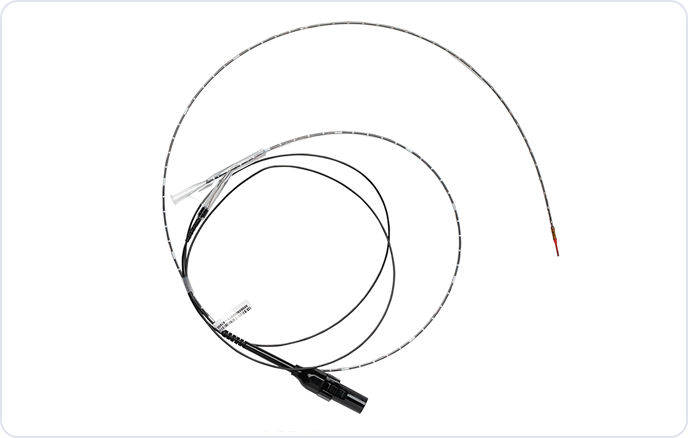
Think of angioplasty as the pipe-cleaning approach, except instead of removing the buildup, it pushes it out of the way. A doctor threads a thin tube called a catheter through a blood vessel, usually starting at a small puncture in the groin or wrist, and guides it all the way to the narrowed section of the artery using live X-ray imaging.
A tiny deflated balloon on the tip of the catheter is positioned right at the blockage.
The balloon is inflated, pressing the plaque against the artery wall and stretching the vessel open.
The balloon is deflated and removed, leaving a wider channel for blood to flow through.
Sometimes the balloon is coated with a medication that helps keep the artery from narrowing again, which doctors call a drug-coated balloon. In other cases, a small mesh tube called a stent gets left behind to act like scaffolding, holding the artery open long term. Which approach makes the most sense depends on where the blockage is and how the vessel responds once it's opened.
The whole thing usually takes an hour or two, patients are awake but comfortable the entire time, and most people go home the same day.
Atherectomy: clearing the blockage out entirely
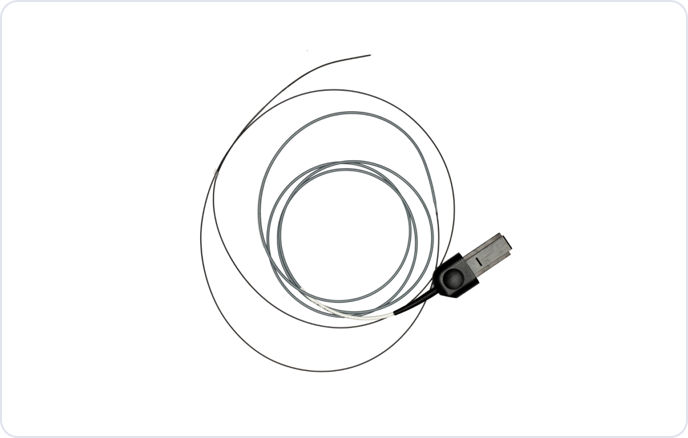
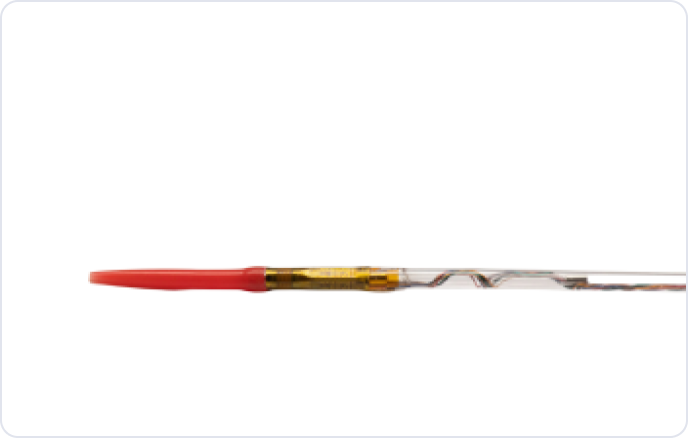
Atherectomy takes a different approach. Instead of pushing plaque out of the way, it physically shaves, grinds, sands, or vaporizes the plaque and removes it from the artery. If angioplasty is like pressing gum flat against a wall, atherectomy is more like scraping it off entirely.
There are a few different tools doctors use to do this, and the right one depends on the type of blockage:
A small rotating blade or diamond-coated tip shaves or grinds the plaque into tiny particles, which are collected and removed or naturally cleared by the bloodstream.
A catheter releases pulses of light that essentially vaporize the plaque, which works especially well for blockages inside an older stent.
Atherectomy tends to be most useful when plaque has become hard and heavily calcified, almost bone-like, which can make a balloon alone less effective. In many cases today, atherectomy is actually used as a first step to break up that hard buildup, and then a drug-coated balloon finishes the job. The two procedures work well as a team.
So which one does a doctor choose?
In general, the choice tends to come down to the specific artery and the type of blockage. Softer, newer plaque often responds well to a balloon on its own, while harder, calcified plaque that's built up over years is more likely to require atherectomy first to break it up before a balloon can do its job properly. Some locations in the leg, like the artery near the hip crease, tend to be treated with atherectomy more often, since doctors generally try to avoid leaving a permanent stent there. These are general patterns rather than fixed rules, and the actual decision is made case by case.
Vascular specialists also lean on imaging tools during the procedure, like ultrasound from inside the vessel, to get a clear picture of exactly how much calcium is present and how the artery is responding in real time. That helps guide which technique, or combination of techniques, will work best for that particular patient.
What the day of the procedure actually looks like
Both procedures are done through a small puncture, usually in the groin, and patients are given local anesthesia along with light sedation rather than general anesthesia. You're awake, but relaxed and comfortable. Most procedures take one to two hours, and afterward you'll rest for a few hours while the puncture site closes up before heading home.
Recovery is quick compared to traditional open surgery. Most people are back to light activity within a couple of days and feeling like themselves within a week. That's a huge difference from surgical bypass, which typically involves a much longer recovery measured in weeks rather than days.
The bottom line
Angioplasty and atherectomy exist to solve the same basic problem in two different ways: restoring blood flow to legs that aren't getting enough of it. Angioplasty stretches the artery open, atherectomy clears the blockage out, and in a lot of real-world cases today, the two are used together for the best long-term result. Neither one is considered a standalone cure for PAD. Doctors typically pair these procedures with broader disease management, and for the right patients, they offer a fast, minimally invasive way to restore blood flow and get back to daily life.
A note on this article: This content is intended for general educational purposes and does not replace advice from a qualified healthcare provider. If you have symptoms of PAD or questions about treatment options, talk with your doctor or a vascular specialist about what's right for your situation.
Sources
- U.S. Food and Drug Administration, "Reprocessing of Single-Use Devices"
- American College of Cardiology / American Heart Association, 2024 Multisociety Guideline for the Management of Lower Extremity Peripheral Artery Disease
- Cochrane Library, systematic review of atherectomy versus angioplasty for peripheral artery disease