

Reprocessed IVUS Catheters: A Guide for Cath Labs
19 minutes read time
The short version
- Reprocessed IVUS catheters are single-use devices that a third-party company collects, cleans, inspects, tests, sterilizes and returns to the market.
- In the U.S., FDA regulates third-party reprocessors as manufacturers, which brings requirements such as registration, quality systems, adverse event reporting and labeling.
- Facilities often look at reprocessed devices for lower supply costs and less waste.
- Clear answers on regulatory status, testing, traceability and returns help your team evaluate any reprocessor. Use the checklist below.
What an IVUS catheter does
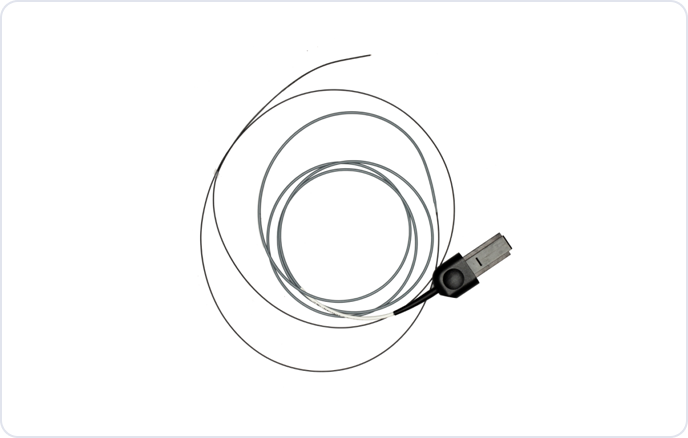
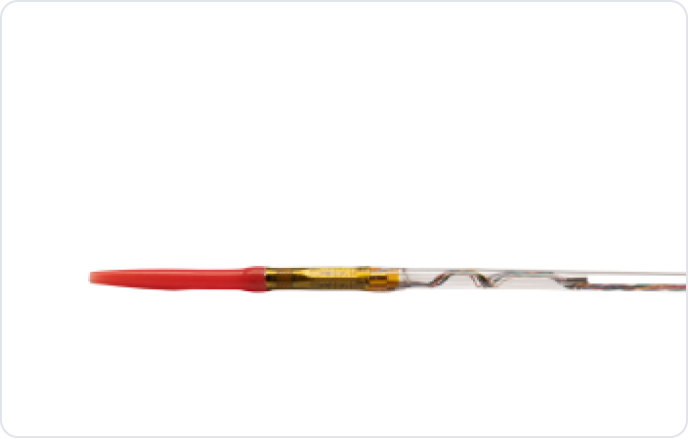
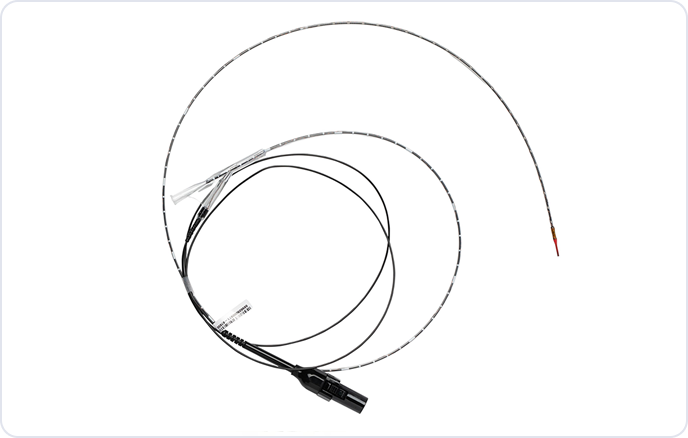
IVUS stands for intravascular ultrasound. An IVUS catheter is a thin catheter with a tiny ultrasound transducer at its tip. Once it is inside a vessel, it sends back a cross-section image of the vessel wall from the inside.
Clinicians can use these images to assess vessel size, look at plaque, and check stent placement. Because the image is taken from inside the vessel, it shows the vessel wall, which an angiogram does not show directly. How and when IVUS is used is a clinical decision for the treating physician.
Digital and rotational catheters
There are two common designs. A digital IVUS catheter has a ring of small ultrasound elements at the tip and no moving parts. A rotational catheter spins a single transducer to sweep the image. Both are labeled by their manufacturers for single use, which is why reprocessing is part of the conversation.
What reprocessing is
A "single-use" label reflects how the original manufacturer labeled and marketed the device. Reprocessing is the FDA-regulated process by which a used single-use device is prepared to be used again.
In the United States, FDA regulates third-party reprocessors as manufacturers. Depending on the device's risk class, that can mean a premarket submission such as a 510(k), along with device registration and listing, quality system requirements, adverse event reporting and labeling. Rules and guidance change, so check FDA's current requirements.
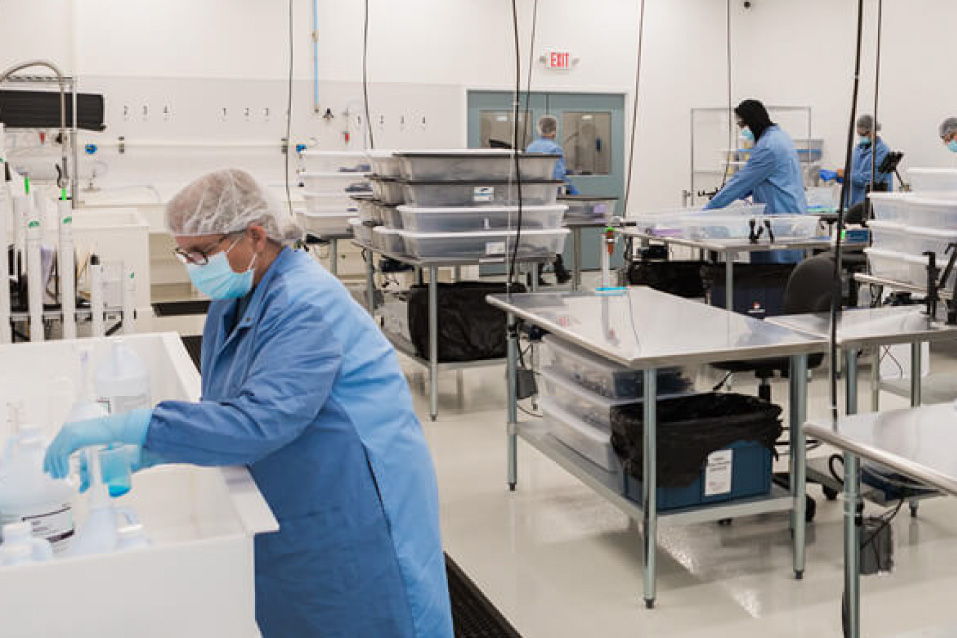
Every reprocessor's process is different and depends on the device, but the steps generally look like this:
- CollectionUsed catheters are returned from the cath lab in a controlled way, so each one can be traced back to its source.
- CleaningBlood and debris are removed from the device, inside and out, using validated cleaning methods.
- InspectionEach catheter is examined for wear, damage and anything that would make it unsuitable. Devices that do not pass are set aside and are not released unless they can be reworked and meet the criteria.
- Functional testingCatheters are tested against the reprocessor's validated criteria for that device.
- Sterilization and packagingPassing devices are sterilized, packaged and labeled with the reprocessor's information and a record that supports traceability.
Reprocessed vs. new IVUS catheters
Teams usually ask about regulation, testing, labeling, cost and waste. Here is how the two compare on those points.
| New from the manufacturer | Reprocessed | |
|---|---|---|
| Regulation | FDA-regulated medical device. | FDA-regulated medical device. FDA regulates the reprocessor as a manufacturer. |
| Before it reaches you | The manufacturer's own testing and quality controls. | Cleaning, inspection, testing and sterilization by the reprocessor. |
| Labeling | Original manufacturer. | Identifies the reprocessor. |
| Cost to your facility | List or contract price. | Often lower. Ask for a quote for the devices you use. |
| Waste | One use, then discarded. | Reuses a device that would otherwise be discarded. |
A 2008 report from the U.S. Government Accountability Office (GAO-08-147) reviewed FDA oversight of reprocessed single-use devices. It found that FDA had increased its oversight, but also that neither FDA's data nor the other published studies were sufficient to draw definitive conclusions about the safety of reprocessed devices compared with similar original devices. FDA officials noted that the available data, while limited, did not point to an elevated health risk. The report is older and does not cover every device, so your facility's own review process and your compliance team's guidance still apply.
Cost and budget impact
IVUS catheters are a recurring supply cost in vascular procedures, so a difference per case can add up. Office-based labs and ambulatory surgical centers are often paid a set amount per procedure, which puts supply cost directly on the facility's margin. Hospital cath labs track the same cost inside their supply budgets. Your own numbers will vary.
Three things shape the real savings:
- Procedure volume. More IVUS cases means more catheters, and more room for savings.
- Return rate. Reprocessing starts with your used devices, so a consistent return habit keeps supply steady.
- Buy-back programs. Some reprocessors credit you for the devices you return. NEScientific's Smart Reimbursement Program, for example, is built around returning Philips IVUS and Turbo-Elite devices. Ask any provider for the program terms.
Compatibility
A catheter only helps if it works with the console and workflow your team already uses. Consult the applicable IFU and device labeling for compatibility information, and confirm your setup with your reprocessor before switching.
Questions to ask any reprocessor
These are worth asking of every vendor, including us. A good partner answers them plainly and in writing.
- How is this specific device model regulated, and what documentation supports it? Ask by model, not just by product family, and ask for the answer in writing.
- What tests does each catheter pass before release? Look for specific functional criteria, not general statements.
- How is each device traced? You should be able to follow a catheter back to its source and forward to your lab.
- How many times can a device be reprocessed? Limits should be defined, validated and followed.
- How are adverse events handled? There should be a clear reporting path.
- What does returning devices involve? Easy collection, clear packaging instructions and fast turnaround keep your lab on schedule.
Frequently asked questions
Are reprocessed IVUS catheters regulated by the FDA?
Yes. FDA regulates third-party reprocessors as manufacturers, which brings requirements such as device registration, quality system rules, adverse event reporting and labeling. Premarket requirements depend on the device's classification.
Is image quality different from a new catheter?
Ask your reprocessor how imaging performance is tested before release, and for any data they can share. Choosing a device is a clinical and purchasing decision for your physicians and your facility.
How many times can an IVUS catheter be reprocessed?
It depends on the device and on the reprocessor's validated process. Ask your reprocessor for the defined limit for the exact model you use.
What happens to catheters that fail inspection?
A device that fails inspection is not released as is. Depending on the finding, it may be reworked and then put back through inspection and testing, and a device that cannot meet the criteria is not released. Ask your reprocessor how it handles and documents these cases.
How do I send devices back?
Use the device return submission form on our website, or contact our team and we will walk you through the process.
See what reprocessing could save your lab
Send back your used devices, or look through the catheters we reprocess. Our team can walk you through compatibility and your options.