


Healthcare’s Next Five Years and Where Reprocessing Fits In
14 minutes read time
Every major healthcare report this year, from McKinsey to EY to Vizient, circles back to the same set of pressures: rising costs, an aging population, and AI rewriting how care gets delivered. None of that is new. But buried in that data is a quieter story about how hospitals are managing the physical devices they use every day, and the numbers behind it are bigger than most people realize.
Hospitals are being asked to do more with less, again
Vizient's 2026 outlook describes the moment as "new margin math."[1] Patients are sicker on average, demand keeps climbing, and the cost-cutting playbook hospitals leaned on for the last decade is running out of room. McKinsey's read is similar: the next three to five years bring a level of change to health systems and payers that's largely being driven by AI adoption, and organizations that can't restructure around it will fall behind.[2] The Rockefeller Institute, meanwhile, has added overall cost, pricing, and affordability to its list of trends to watch for 2026, on top of issues like AI expansion and industry consolidation that have been building for years.[3]
Put it all together and the picture is consistent. Hospitals need to cut costs and reduce waste while simultaneously absorbing more patients, more complexity, and more technology. That's not a small ask, and it's pushing administrators to look for savings in places they might not have considered five years ago.
The reprocessing market is growing faster than almost anything else in healthcare
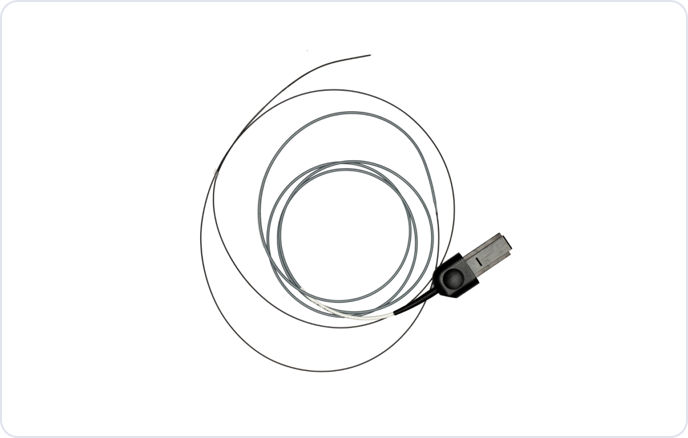
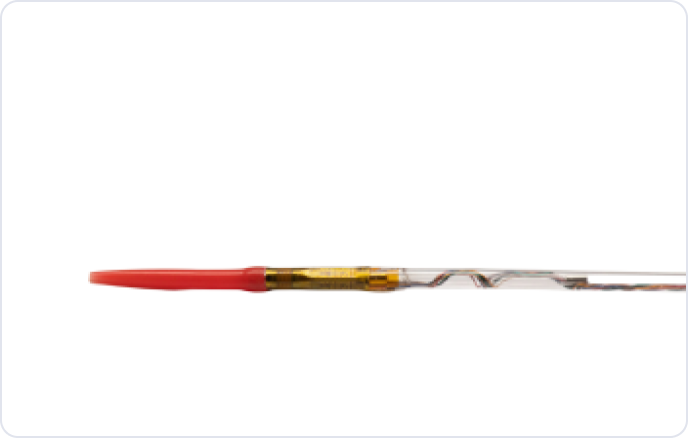
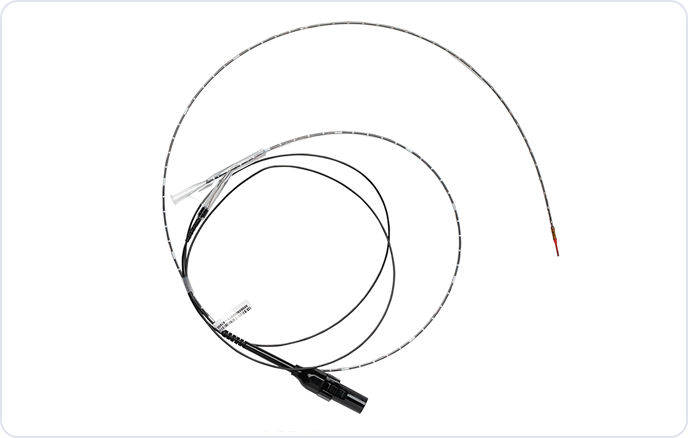
This is where medical device reprocessing enters the picture. For anyone unfamiliar, reprocessing takes certain single-use devices, things like catheters, and puts them through a rigorous, FDA-regulated cleaning and sterilization process so they can be used again. It's not a workaround. The FDA requires reprocessed devices to meet the same regulatory standards as new ones, though outcomes can vary depending on device type, reprocessing method, and regulatory clearance status, which is why the process is closely validated and inspected.[4]
What's notable is how quickly this corner of the industry is expanding. The global reprocessed medical devices market is projected to grow at a compound annual rate of around 17 percent through 2035, a pace that outstrips most other healthcare sub-sectors.[5] And the financial case is easy to see why: reprocessing can deliver savings of roughly 40 to 60 percent per procedure compared to buying new devices outright.[6]
Global reprocessed medical devices market value, in billions USD[4]
Cardiology is leading the shift, and the reasons make sense
One detail stands out when you dig into the data. Cardiovascular devices, including catheters used in procedures like IVUS imaging, make up the largest single category in the reprocessed devices market, holding roughly 35 percent of the total share.[4] That's not random. Cardiology consumables tend to be expensive on a per-unit basis, and cardiology departments run an enormous volume of procedures every year. When you combine a high price tag with high volume, even modest savings per unit add up to a meaningful number across a hospital system, which is likely part of why hospitals account for more than half of the entire reprocessed device market.[4]
35% market share
65% market share
What reprocessing's growth signals for the next five years
Connecting this back to the broader predictions, a few patterns start to emerge for where things are headed.
Every major report mentions affordability and margin pressure as defining issues for the years ahead. Reprocessing is one of the few levers that delivers real, measurable savings without requiring a major technology overhaul or staffing change, which makes it an easy sell during budget season. Expect more hospitals and group purchasing organizations to start specifying reprocessing-compatible devices as a standard procurement requirement.[7]
Beyond the dollars and cents, hospitals are facing more pressure to adopt "green" procurement policies, and medical plastic waste is a significant contributor to that problem. Reprocessing directly reduces how much ends up in landfills, which means it increasingly gets framed as an environmental win alongside a financial one.[5]
Almost every prediction for the next five years mentions AI in some form, whether that's claims processing or clinical decision support. Reprocessing facilities are following the same trajectory, investing in better device tracking, automated sterilization validation, and tighter quality control. As those tools mature, they may help build greater clinician confidence over time, though acceptance is likely to continue varying by device type and specialty.[7]
The US already has a well-established framework for reprocessing overseen by the FDA, and Europe is building out similar standards tied to its circular economy goals. As more regions establish clear rules, reprocessing stops being something hospitals have to justify case by case and becomes a normal part of how procurement decisions get made.[8]
The takeaway for hospital leadership
The next five years in healthcare are shaped by a tug of war between rising costs and rising expectations. Hospitals need to do more, spend less, and shrink their environmental footprint, all at the same time, and there aren't many strategies that move the needle on all three fronts at once. Reprocessing won't solve every problem on its own, but it's one of the rare areas where cost savings, sustainability, and patient safety actually point in the same direction.
If the projections hold, reprocessing is on track to become a core part of how hospitals plan budgets, manage supply chains, and meet sustainability commitments, rather than a behind-the-scenes line item. And given how consistently it shows up across the data behind these broader industry predictions, that growth doesn't look like it's slowing down anytime soon.
Sources
- Vizient, "New margin math: Healthcare industry outlook 2026"
- McKinsey, "Perspectives on healthcare industry trends and the year ahead"
- Rockefeller Institute of Government, "Six trends in healthcare to watch in 2026"
- Future Market Insights, "Reprocessed Medical Devices Market"
- Market Research Future, "Medical Device Reprocessing Market Set to Reach USD 11.16 Billion"
- Future Market Insights, "Global Reprocessed Medical Devices Market to Reach USD 12.94 Billion"
- Coherent Market Insights, "Reprocessing and Reuse of Single Use Medical Devices Market Forecast"
- SNS Insider, "Medical Device Reprocessing Market Analysis"